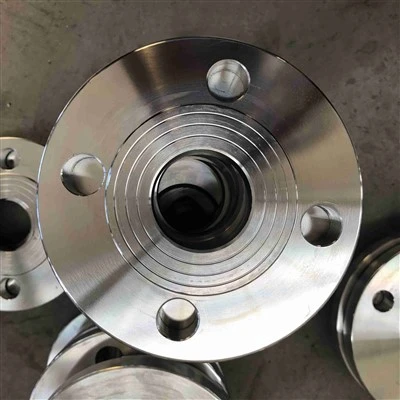
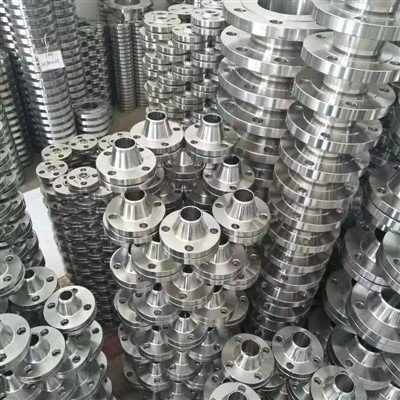
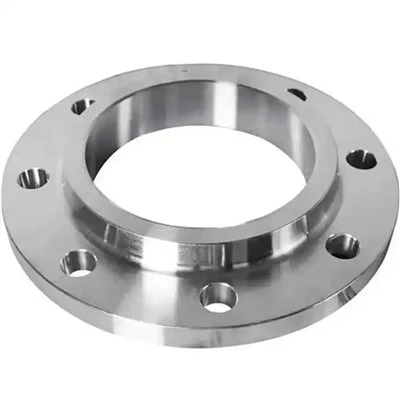
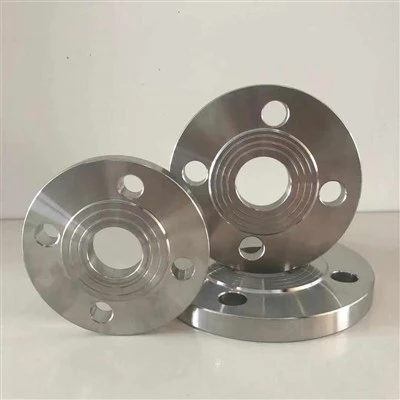
Hebei Guoneng Pipeline has introduced a drawing-review step for non-standard pressed flange enquiries. The review separates features created by forming from those completed by cutting or machining, helping customers identify whether an existing tool can be used or a dedicated die is required. The pressed flange should be reviewed together with the stated application and order requirements.
The process begins with the plate grade, thickness, blank size, profile depth, corner radius, and expected quantity. Engineers then check how material will flow during pressing and whether the requested shape leaves enough section around the bore and fastener holes. A pressed flange with a shallow offset may follow a different route from a square or rectangular part with reinforced edges.
After forming, the component can move to trimming, bore cutting, drilling, deburring, flattening, and surface treatment. Inspection is organized around the drawing datums rather than a generic flange checklist. Profile height, flatness, hole coordinates, edge condition, and mating alignment are recorded according to the features that control assembly.
For repeat orders, Guoneng can retain the approved drawing number and tooling reference with the production batch. This helps distinguish visually similar parts that use different thicknesses, hole layouts, or formed depths. Marking and packing can also follow the customer's installation sequence.
A complete enquiry should include the mating component, service conditions, material, dimensional drawing, tolerances, quantity, and finish. Supplying this information allows the the product route to be assessed before material is released and reduces avoidable changes after tooling setup. Each the product is then produced against a defined manufacturing and inspection plan.